
Mort's Queensland - The Real Locations Behind the Fiction
Every street in the Mortice books exists. Every suburb is real. Every dodgy pub, industrial estate, and bikie clubhouse has a real-world counterpart.
A.J. Wilton didn't create Mort's Queensland. He just populated it with characters willing to do what most won't.
Walk through Brisbane's inner south and you're walking through Mortice territory. Drive the M1 to the Gold Coast and you're following routes Mort uses for surveillance operations. Stop at a hinterland café and you might be sitting where fictional characters planned tactical strikes against criminal targets.
The line between A.J. Wilton's fiction and Queensland's reality? Thinner than readers realize.
Stanley Street, South Brisbane - Mort's Base of Operations
Stanley Street runs through South Brisbane connecting the CBD to residential suburbs. Working-class history. Industrial warehouses converting to apartments. Pubs that have served generations of locals.
This is Mort's operational territory. The street where key scenes unfold across multiple books.
The Morrison Hotel features in Book 4: Mortice Hammer Down. Liam O'Brien has his last beers there before getting run down in the car park. Deliberate hit. Murder disguised as drunk driving accident.
Walk Stanley Street today and the Morrison Hotel is real. The car park matches the book's description. The layout creates blind spots where someone could wait with idling vehicle. Where CCTV coverage has gaps.
A.J. Wilton didn't invent this location. He used actual geography for fictional crime that could genuinely happen there.
That's the pattern throughout the series. Real locations described accurately enough that locals recognize them immediately. Fictional crimes plotted realistically enough they could actually occur in those spaces.
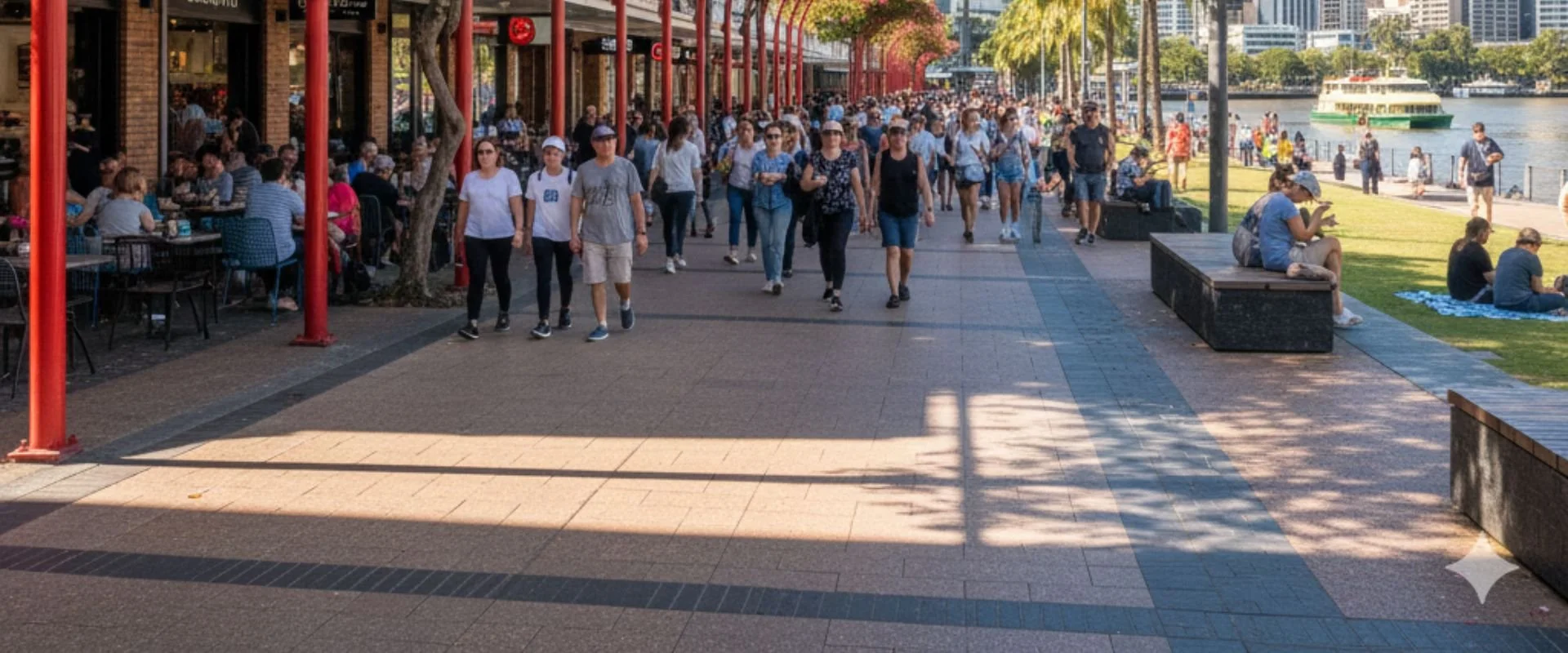
Why Stanley Street Works for Mort
Strategic positioning. Close to Brisbane CBD for quick access to police headquarters, government buildings, and corporate targets. But not so central that operations attract immediate attention.
Mix of residential and commercial. People coming and going at all hours. Surveillance doesn't stand out. Parked vehicles normal. Strangers unremarkable.
Multiple exit routes. Stanley Street connects to major arterials heading every direction. South toward Logan. North toward airport. West toward Ipswich. East toward Gateway Motorway.
Tactical terrain for someone who thinks like soldier. Which Mort does. Fifteen years Australian Army. Special forces deployment. Training that never leaves.
Brisbane's Western Suburbs - Bikie Territory
The Mortice series doesn't shy from Queensland's bikie gang presence. Can't. They're too embedded in the state's criminal infrastructure.
Real clubs operate from real suburbs. Sandgate. Caboolture. Logan. Inala. Woodridge.
A.J. Wilton names fictional clubs to avoid legal issues. But the territorial boundaries described? The suburban strongholds? The industrial estates used for legitimate business fronts?
All based on reality.
Queensland's anti-bikie legislation drove some gang activity underground. Clubs maintain lower public profiles. But they haven't disappeared. Just adapted.
They still control drug distribution networks. Still operate protection rackets. Still recruit from working-class suburbs where economic opportunity is limited and gang membership offers identity, income, and belonging.
Mort's conflicts with bikie gangs throughout the series reflect real criminal ecosystem. Clubs don't operate in isolation. They connect to police corruption. Political influence. Legitimate businesses laundering drug money.
That complexity makes Mortice books more sophisticated than typical action thrillers. The enemies aren't simple villains. They're embedded in systems. Protected by money and influence. Difficult to touch through official channels.
Which is why Mort operates unofficially.
Gold Coast Hinterland - A.J.'s Home Territory
The author lives on 2.5 acres in Gold Coast hinterland. Forty-five years of Queensland residence. Two businesses operating across the region. Landscape photography hobby taking him through every back road and scenic location.
That local knowledge bleeds into every page.
When Mort and Pig operate in hinterland, navigating back roads through Mudgeeraba, Worongary, Advancetown, or Tallebudgera, those aren't invented routes. They're roads A.J. drives regularly. Locations he photographs. Cafés where he actually stops for coffee.
The Le Vintage Café Scene in Book 4 exemplifies this. Real café. Real location in Worongary just off the M1. Outdoor garden setting perfect for surveillance while appearing to be casual breakfast customer.
The scene works because A.J. Wilton knows that café. Has eaten there. Understands sightlines and positioning. Knows how someone could conduct surveillance without attracting attention.
Readers familiar with Gold Coast recognize the location immediately. Readers unfamiliar with the area get accurate description that creates vivid sense of place.
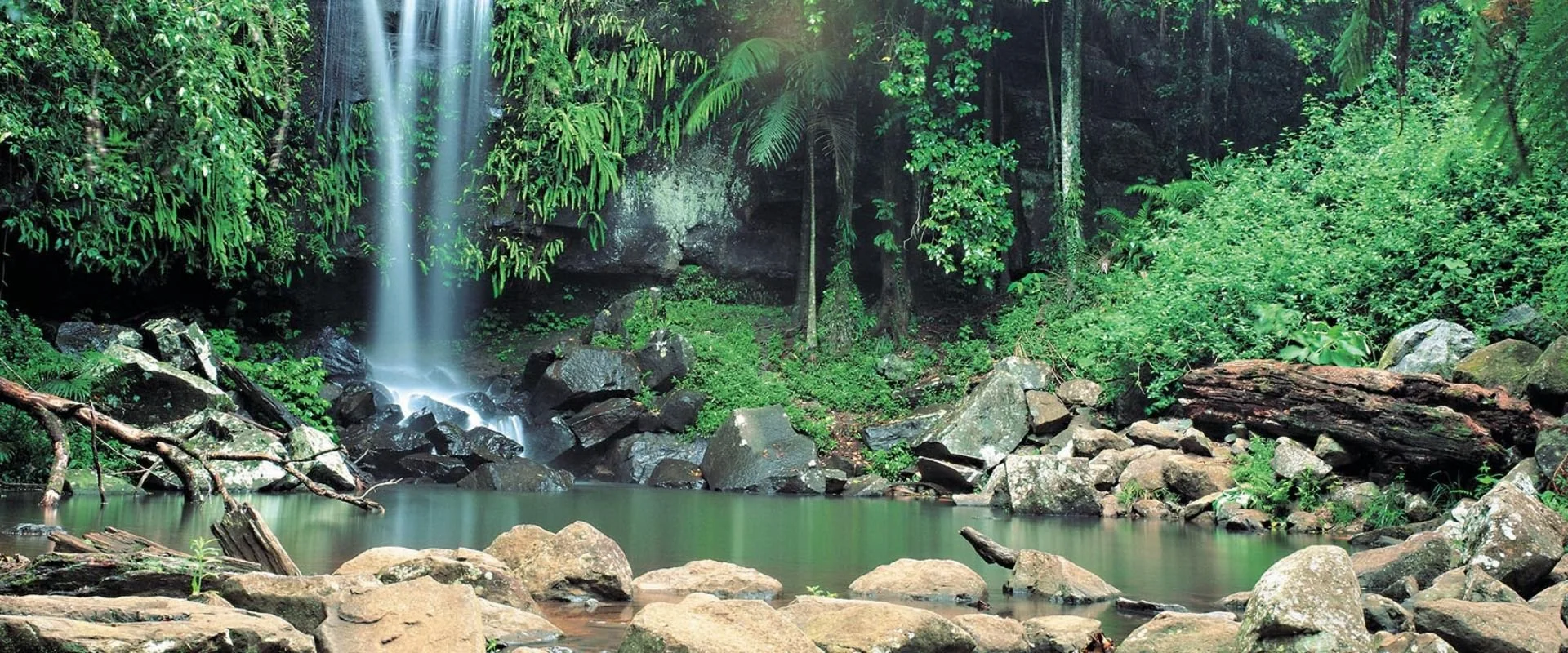
Why Hinterland Matters Strategically
Queensland's Gold Coast hinterland provides natural surveillance positions overlooking coastal development. Elevated terrain. Dense vegetation. Winding roads with limited traffic.
Perfect for characters needing privacy for planning sessions. For temporary hiding spots between operations. For meeting informants away from urban surveillance cameras.
The hinterland also represents Queensland's geographical diversity. Coastal tourism strip within twenty minutes of rural farmland and rainforest. Urban density transitioning rapidly to isolated acreage properties.
That diversity creates operational opportunities. City resources nearby when needed. Rural isolation when required. Quick transitions between environments.
Mort uses this geography tactically throughout the series. Planning in hinterland privacy. Operating in coastal density. Escaping into rural areas where pursuit becomes difficult.
The Queensland Police Compound, Enoggera
Book 1: You Killed My Wife. Mort needs to inspect police vehicle involved in his wife's death. He talks his way into Enoggera police compound using fake credentials and insurance assessor cover story.
The compound is real. The security setup Mort describes matches reality. Six-foot barbed wire fencing. Single entrance with uniformed officer checking credentials. Vehicle holding area for crash investigations and seized property.
Mort's successful infiltration isn't fantasy. The social engineering tactics he uses—fake business card, clipboard, bored confidence, appeal to officer's sympathy—are documented techniques that actually work.
A.J. Wilton researched how the compound operates. What security measures exist. What vulnerabilities might be exploited by someone with military intelligence background and preparation time.
The scene demonstrates pattern throughout Mortice books. Real locations. Real security systems. Realistic exploitation of human and procedural weaknesses.
Brisbane River - More Than Scenery
Brisbane River cuts through the city creating natural boundaries and tactical features. The river features throughout the series. Not as pretty background. As operational element.
Mort uses the river for surveillance positions. Elevated vantage points on one bank observing targets on opposite bank. Natural barrier complicating pursuit. Water access for alternate transportation.
The river also serves darker purposes in the books. Characters discuss body disposal logistics with uncomfortable realism. Current patterns. Depth variations. How long before decomposition brings remains to surface.
Brisbane residents understand these aren't invented details. The river's geography matches description. The tactical thinking reflects genuine consideration of how waterways function in urban operations.
Specific Brisbane River Locations
South Bank. Entertainment precinct with restaurants, cultural venues, and crowds providing cover. Mort conducts surveillance there. Meets informants. Blends into tourist activity while tracking criminal targets.
Kangaroo Point cliffs. Elevated position overlooking river and CBD. Perfect surveillance location with explanation for presence—rock climbing area with legitimate public access.
Story Bridge. Multiple references throughout series. The bridge creates natural choke point. Limited crossing points between Brisbane's north and south force predictable traffic patterns that surveillance can exploit.
Every Brisbane location serves tactical purpose while remaining geographically accurate. A.J. Wilton thinks like his protagonist. Sees landscape through operational lens. Translates that perspective into fiction.
Surfers Paradise - Tourist Veneer Over Criminal Reality
Surfers Paradise features occasionally in Mortice books. Not for postcard version. For what operates underneath.
High-rise apartments perfect for money laundering. Property development with murky financing. Cash-heavy businesses—nightclubs, restaurants, tourist services—ideal for washing drug proceeds.
International visitors creating demand for drugs and prostitution. Party atmosphere where intoxication is expected and illegal activities blend into background noise.
Gold Coast's tourist economy creates environment where criminals can operate openly. Wealth display isn't questioned—tourists expect luxury. Strangers everywhere so unfamiliar faces don't attract attention. Police focus on visible street crime while sophisticated operations continue behind corporate facades.
Mort sees through the veneer. So does A.J. Wilton.
When Mortice books show Surfers Paradise criminal operations, they're not inventing scenarios. They're describing reality with fictional character names attached.
The Pacific Motorway (M1) - Queensland's Criminal Highway
The M1 runs from Brisbane to Gold Coast and beyond. High-traffic corridor connecting Queensland's two major population centers.
In Mortice books, the M1 serves multiple purposes. Escape route after operations. Surveillance route tracking targets between cities. The road itself as operational terrain.
A.J. Wilton knows every kilometer. Forty-five years driving it for business. Every exit. Every service station. Every spot where breakdown lane widens enough for temporary stop.
That intimate knowledge appears in the books. Characters reference specific exits. Mention landmarks only locals know. Use actual travel times between locations.
The M1 also represents Queensland's criminal logistics. Drugs move up and down that highway. Stolen vehicles. Money. Weapons. Anything requiring transport between Brisbane and southern regions uses that route.
Bikie gangs maintain presence at both ends. Territory boundaries respected but tested. The highway itself neutral zone but approaches controlled.
Why Real Locations Matter
Generic crime thrillers use generic cities. Could be anywhere. Therefore nowhere.
Mortice books use real Queensland. Specific streets. Actual suburbs. Real geographic constraints that shape how characters move and operate.
That specificity creates authenticity readers feel even if they can't articulate why. The details ring true because they are true.
For Queensland residents, recognition factor is immediate. "I know that street." "I've eaten at that café." "I drive past there every day."
That local recognition creates investment. These aren't abstract locations. These are places readers actually inhabit. Where real Queensland criminal activity actually occurs.
For readers outside Queensland, the detailed geography creates immersive experience. Instead of vague city descriptions, they get specific sense of place. Street names. Suburb characteristics. Geographic features that make Brisbane and Gold Coast feel real.
The A.J. Wilton Advantage
Forty-five years Queensland residence isn't research. It's lived experience.
Two businesses operating across Brisbane, Gold Coast, and regional areas. Daily driving through locations that appear in books. Regular interaction with communities where fictional crimes occur.
Photography hobby provides additional perspective. A.J. Wilton doesn't just drive through locations. He stops. Photographs. Observes. Studies landscapes with artist's eye for detail and composition.
That observational habit translates directly to writing. When describing location in Mortice book, A.J. draws from memory of actually being there. What it looks like. Feels like. How people move through the space.
Not every author has this advantage. Many research locations briefly. Visit once for atmosphere. Work primarily from maps and photos.
A.J. Wilton lives in his fictional world's geography. The Mortice series reflects that intimate knowledge.
When Fiction and Reality Intersect Too Closely
Occasionally readers question whether specific scenes are based on real crimes. When fictional murder method matches unsolved case. When location description seems too accurate to be coincidence.
A.J. Wilton draws clear lines. Fiction is fiction. Characters and specific crimes are invented. But the criminal methodologies? The corruption patterns? The geographic details?
Those come from decades observing Queensland reality.
The Mortice series doesn't report actual crimes with changed names. That would be exploitative and potentially legally problematic.
Instead it extrapolates from known patterns. If police corruption existed historically in Queensland—which Fitzgerald Inquiry documented extensively—then fictional corruption following similar patterns is realistic speculation, not reportage.
If bikie gangs control drug distribution in certain suburbs—which is documented fact—then fictional characters operating in those territories encounter gangs realistically.
The line between inspired by reality and describing reality matters legally and ethically. A.J. Wilton maintains that line while creating fiction that feels authentic because it's grounded in genuine Queensland experience.
Your Queensland vs Mort's Queensland
You see tourist destinations and residential suburbs. Shopping centers and beaches. Traffic and parking hassles.
Mort sees tactical terrain and operational zones. Surveillance positions and escape routes. Criminal infrastructure and corruption networks.
Same locations. Different lens.
That's the invitation Mortice series extends. See Queensland through Mort's eyes. Recognize that criminal underworld operates in same spaces you shop, eat, work, and live.
Not paranoia. Reality. Just reality most people successfully ignore because focusing on it would be overwhelming.
Walk Stanley Street. Drive the M1. Stop at Le Vintage.
Then read the books and recognize where you've been.
The café where you had breakfast? Mort planned operation there in Book 4. The street where you live? Bikie gang territory in Book 2. The police station you drive past daily? Corruption target in Book 1.
That's Mort's Queensland. Which is actually just Queensland.
Same geography. Same streets. Same suburbs.
Different awareness of what happens in the shadows.
The Mortice Series as Queensland Guide
Some readers use the books as unofficial Queensland guide. Visiting locations mentioned. Eating at cafés featured. Driving routes Mort and Pig use.
A.J. Wilton never intended this. But the detailed geography makes it possible.
Every location is real. Directions are accurate. Descriptions match current reality.
Crime fiction as travel guide. Unusual but logical outcome of detailed local knowledge.
What This Means for the Series
The geographic authenticity grounds everything else. When action scenes unfold in real locations, they feel plausible. When surveillance operations use actual streets, tactics seem realistic. When corruption occurs in genuine government buildings, institutional failure rings true.
Fiction works when readers suspend disbelief. Detailed accuracy in setting makes that suspension easier. If locations are real and described correctly, maybe other elements—characters, crimes, operations—could be real too.
That maybe is where thriller fiction lives. The space between complete fantasy and documentary reality.
Mortice series occupies that space expertly. Queensland geography is documentably real. Criminal patterns are based on established fact. Characters and specific crimes are invented but plausible within that realistic framework.
Five Books Deep. More Coming.
Each Mortice book adds Queensland locations. Explores different suburbs and regions. Reveals new aspects of the state's criminal landscape.
Book 6 in development for Christmas 2025 release. Series planned for ten-plus books total.
That's a lot of Queensland geography to cover. A lot of real locations to feature. A lot of criminal territory to explore.
A.J. Wilton has the local knowledge to sustain it. Forty-five years provides deep well of material. Two businesses give ongoing exposure to evolving Queensland. Photography expeditions continue revealing new locations.
The series can grow because the foundation—real Queensland—is inexhaustible.
The Uncomfortable Truth
Mort's Queensland exists. You live there or visit there or know someone who lives there.
The criminal underworld described in Mortice books operates in those real spaces. The corruption isn't invented. The gang activity isn't exaggerated. The violence isn't sensationalized.
It's just Queensland with fictional protagonist revealing what's always been there.
That's uncomfortable for readers expecting pure escapism. They wanted Jack Reacher in Australia. They got something more honest and therefore more unsettling.
But maybe that's what Queensland crime fiction needs.
Not fantasy heroes in made-up cities. Real locations. Real patterns. Real criminal infrastructure.
With fictional character willing to fight back against it.
That's Mort's Queensland. Real geography. Fictional justice.
Related Reading:
When Christmas Goes Criminal: Queensland's Festive Season Felonies
Byron Bay's Dark History: When Paradise Hides Predators
Justice Mort Style: Why Vigilante Fiction Resonates in 2025
Inside Queensland's Bikie Gang Territory: Fiction Based on Fact
Explore Queensland through Mort's eyes. See the real locations where fictional justice unfolds. Start with "You Killed My Wife" and discover crime fiction grounded in genuine Australian geography. [Begin the Series Now →]